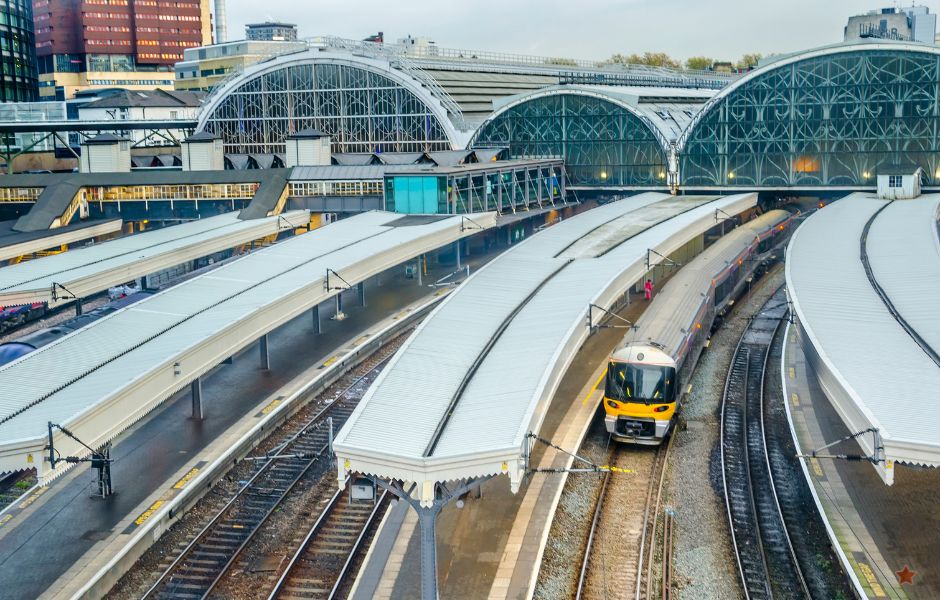
Train travel in the UK can be expensive and sometimes unreliable, but don’t let that put you off. It’s still one of the best ways to get around and see the country, especially if you’d rather not hire a car.
London as a Travel Hub
London is an excellent hub for travelling to all parts of the UK, including Somerset and the wider South West of England.
If you’ve been staying in the capital, you’ve probably gotten used to very reliable public transport. The Tube and buses run frequently, and Transport for London fare caps mean you can get around without blowing your budget.
London Train Stations: Who Goes Where 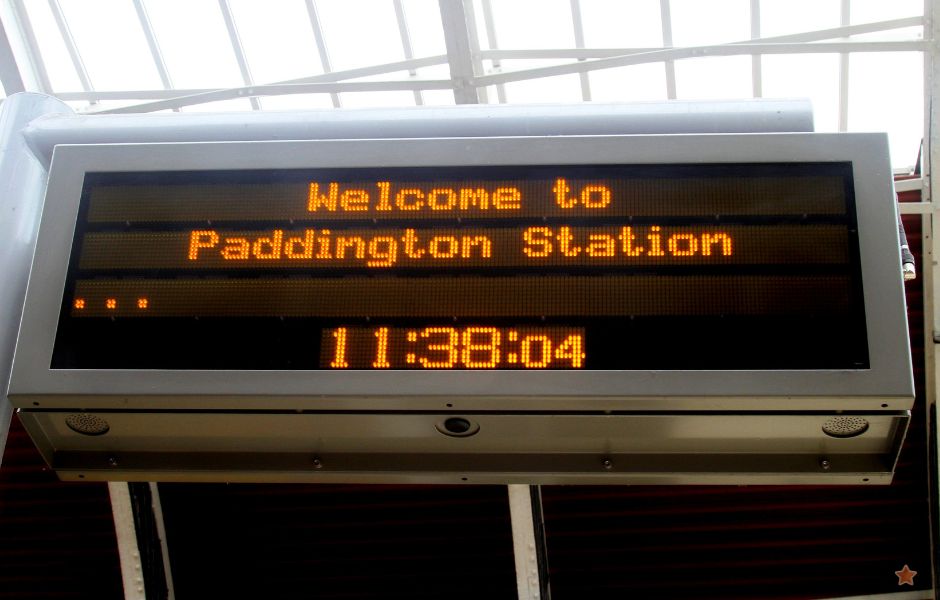
London doesn’t have one main train station.
Instead, there are several major stations, each serving different regions of the UK. Once you know the basics, it’s much easier to plan your onward journey.
- London Paddington – West and South West (Bath, Bristol, Somerset, Devon, Cornwall)
- London Euston – West Midlands, North West (Birmingham, Manchester, Liverpool)
- London King’s Cross – North East and Scotland (York, Newcastle, Edinburgh)
- London St Pancras International – similar routes to King’s Cross plus Eurostar to Europe
- London Waterloo – South and South West (Surrey, Hampshire, some routes to Dorset)
- London Victoria – South Coast (Brighton, Gatwick Airport)
- London Liverpool Street – East of England (Cambridge, Norwich)
You don’t need to memorise all of this, but it helps to know that your departure station will depend on where you’re going.
Paddington Bear Afternoon Tea Bus Tour London
Where Was Harry Potter Filmed? 11 UK Locations You Can Visit
Using ‘London Terminals’ or ‘London Any’
When searching for tickets on apps like National Rail Enquiries or Trainline, you’ll often see the option to choose “London Terminals” or “London Any.”
This means the system will find you the best route regardless of which London station you leave from.
It’s especially helpful if you’re not familiar with the city or don’t mind which station you use.
Just make sure to double-check your departure station before you travel. London stations aren’t all next to each other, even if they look close on the map.
Getting Between Stations
Most major London train stations are very well connected by the London Underground (the Tube), as well as buses and taxis.
If you do need to switch stations, it’s usually straightforward and clearly signposted. Journey planning apps will also include the transfer, so you’ll know exactly how to get from one station to another.
Different Train Companies
Things change a bit once you leave London. The rail network is run by several different companies, depending on the region and route.
For example, services to the South West are typically operated by Great Western Railway, while routes in the east are often run by Greater Anglia. Other major operators include Avanti West Coast and LNER, each covering different parts of the country.
Types of Train Services In The UK
There are also a few different types of train services in the UK. Cross-country or long-distance trains are usually faster and run between major cities with fewer stops.
Local or regional trains stop more frequently and take longer, but they’re useful for reaching smaller towns and rural areas.
You may need to use both to get to certain destinations.
Sleeper and Heritage Trains
You’ll also find sleeper trains for overnight journeys, such as the Caledonian Sleeper between London and Scotland.
For something a bit different, there are heritage and steam railways across the country, which are more about the experience than getting from A to B.
A great example of this is the Jacobite also known as the Harry Potter train, which passes over the famous Glenfinnan Viaduct.
Planning Your Journey
Apps and Live Updates
Apps like National Rail Enquiries and Trainline make things even easier.
They show your full journey, including platform numbers (when available), live departure times, and any delays or changes.
If something does go wrong, they’ll usually update in real time so you can adjust your plans.
Changing Trains
One thing to be aware of when travelling by train in the UK is that you’ll often need to change trains along the way. Not all routes are direct, especially if you’re travelling between smaller towns and bigger cities, so it’s quite normal for your journey to include one or more connections.
This might sound a bit daunting at first, but it’s usually very straightforward. When you book your tickets or plan your journey, the connection details are included, along with how much time you’ll have to change trains. In most cases, stations are well signposted and fairly easy to navigate.
At the Station
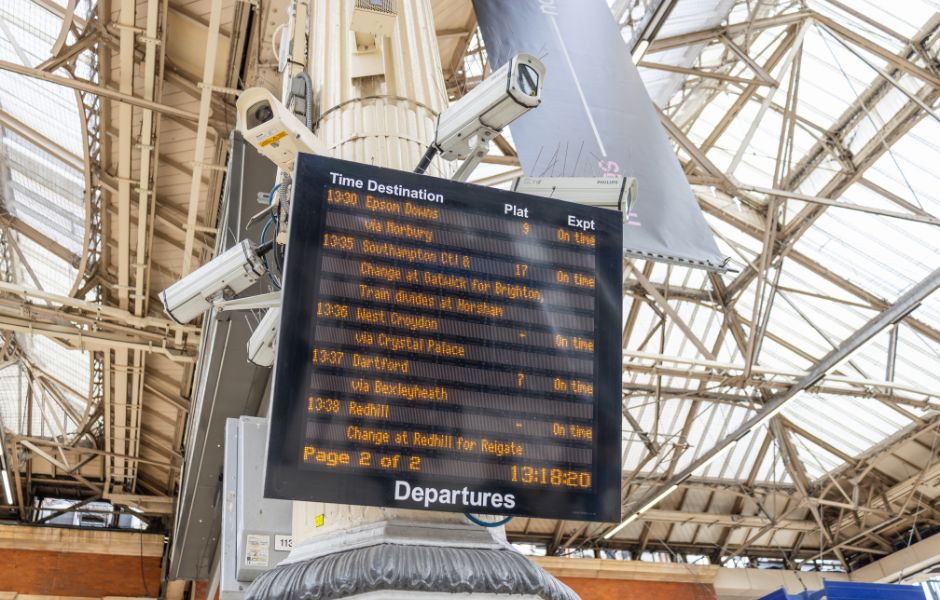
At the station, departure boards clearly list train times and platforms, and announcements are made regularly.
Platform numbers are sometimes only confirmed shortly before departure, so it’s normal to wait and keep an eye on the boards.
If you’re ever unsure, staff are generally very helpful and used to assisting travellers, especially at larger stations.
Don’t hesitate to ask for directions or check that you’re getting on the right train.
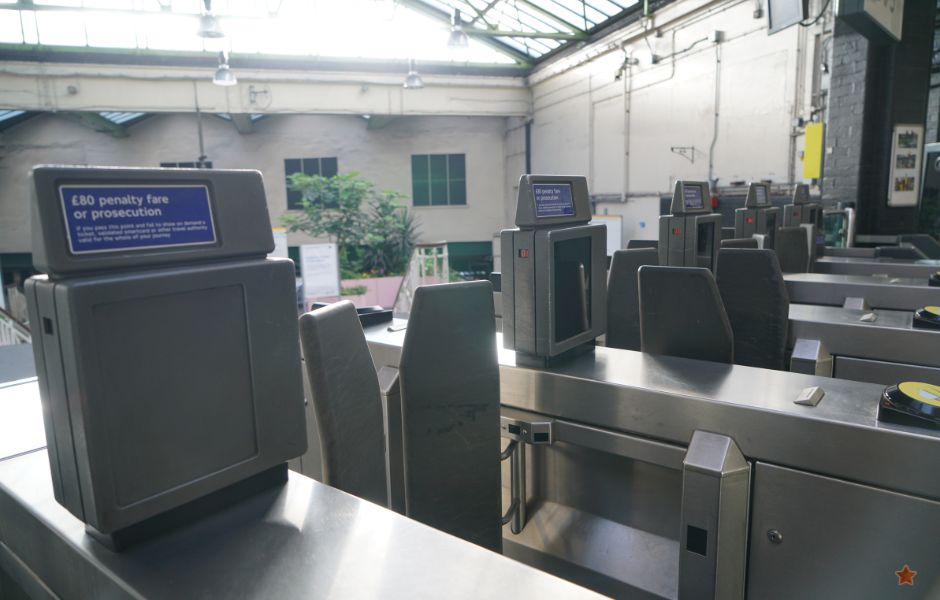
Many stations, especially in cities and larger towns, have ticket barriers. You’ll need your ticket (paper or digital) to get in and out. If you booked digital tickets for your whole party, you’ll need to send each person their QR code.
I’ve found this is tricky when travelling children so personally I always opt for paper tickets when travelling with kids.
Smaller stations might not have barriers, but you should still keep your ticket handy for inspections.
Tickets: Paper vs Digital
In the UK, you can travel with either a paper ticket or a digital one on your phone. Many people now use e-tickets (QR codes), which you scan at the ticket gates and again if asked onboard.
Paper tickets are still common too, especially if you collect them at the station or book certain types of fares. These have a magnetic strip and are inserted into the gate rather than scanned.
Both work equally well, so it mostly comes down to preference, just make sure your phone is charged if you’re relying on a digital ticket.
Ticket Checks and Inspectors
Unlike some metro systems, trains in the UK are regularly checked to ensure that passengers have vaild tickets.
You’ll often scan your ticket at the gate before entering and exiting larger stations, but there may also be a conductor or ticket inspector walking through the train during your journey.
They may simply take a look at your tickets (paper or QR) or they might punch a small hole in them on mark them with a pen. You’ll also need to show any rail passes you booked with too.
If you’re travelling without a valid ticket, you can be fined, so it’s worth sorting everything before you board where possible.
On The Train
Seat Reservations
Some longer-distance tickets come with a seat reservation, while others don’t. If you have one, it’ll usually show your coach and seat number. On many trains, there are small displays above seats showing whether they’re reserved.
If you don’t have a reservation, you can sit in any unreserved seat, just be prepared to move if someone has booked it for part of the jouney.
Luggage and Space
There are no strict luggage limits like on planes, but space can be tight, especially on busy trains.
There are overhead racks and larger luggage areas at the ends of carriages. If you’re travelling with big suitcases, it’s worth boarding early if you can.
There are also specific areas for bicycles.
Toilets on Trains
Most medium and long-distance trains in the UK have toilets on board, usually located at the ends of the carriages.
They’re typically free to use and range from basic to fairly modern, depending on the train.
On shorter local services, toilets aren’t always available, so it’s worth checking ahead if that’s important to you.
Stations, especially larger ones, usually have toilets as well, though these may sometimes require a small fee. At more rural stations, you mind find toilets are locked or unavailable overnight.
Food and Drink on Board
Many longer-distance trains have a food option, but what you get can vary.
Some services have a small café or buffet carriage where you can buy drinks, sandwiches, crisps (potato chips), and some simple hot food. Others offer a trolley service that comes down the aisle.
On shorter or regional trains, there’s often no food service at all, so it’s a good idea to bring something with you if you think you’ll need it.
Station shops and cafés are usually easy to find before you board.
You’re also allowed to bring your own food and drinks onto trains, which a lot of people do, especially for longer journeys.
You can even bring alcoholic drinks onto the train. It’s common to see people drinking wine or canned cocktails on long leisure journeys. However, you can be thrown off the train for being too intoxicated.